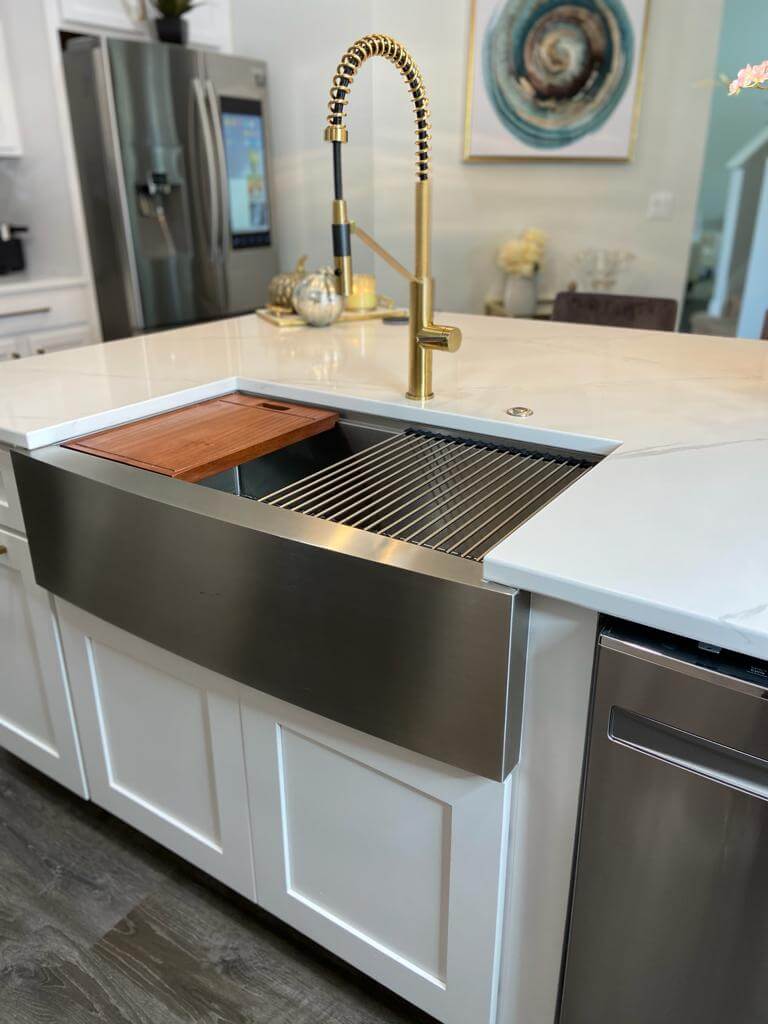
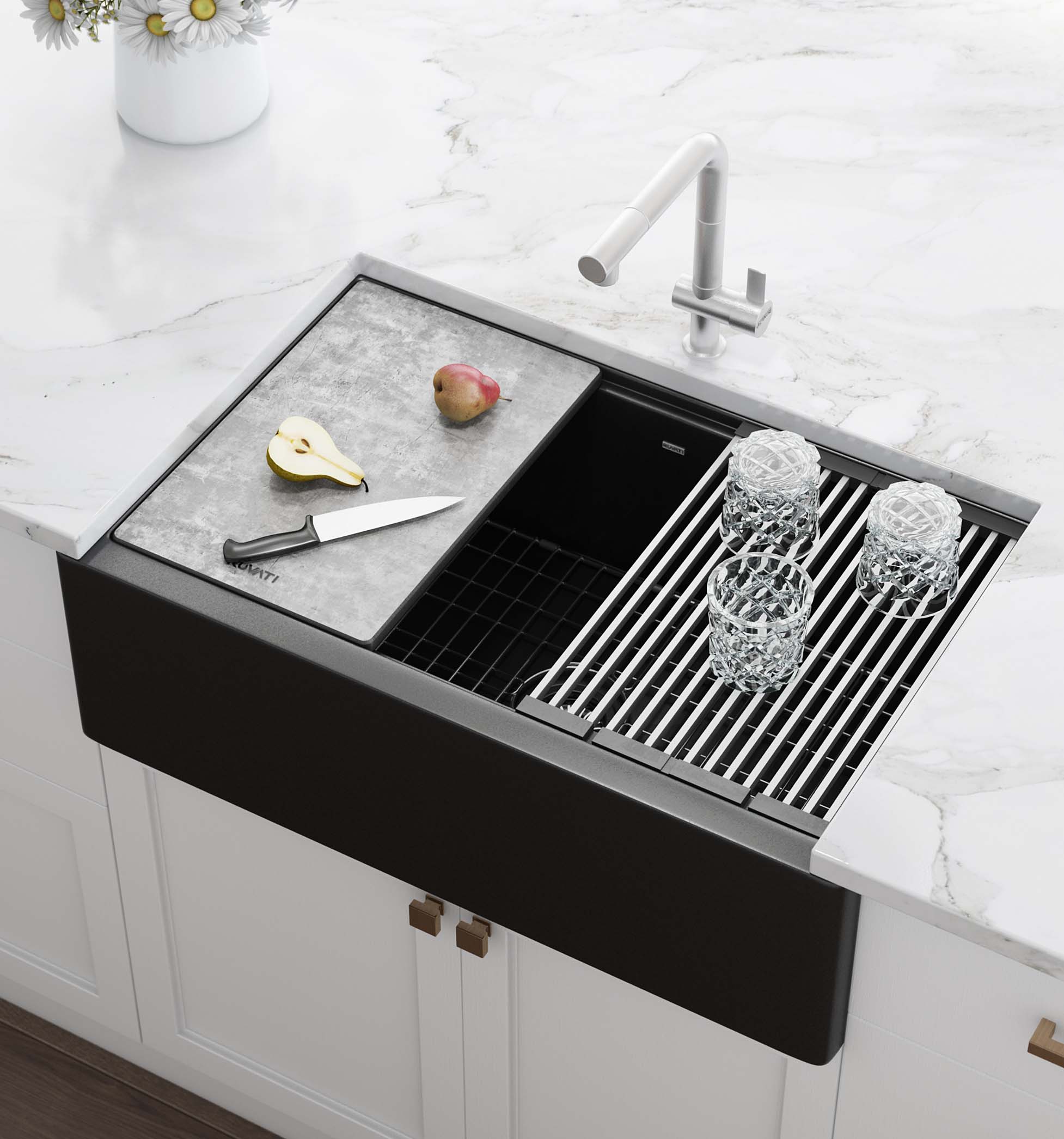

Are you ready to transform your kitchen with a sink that’s not just functional, but a true centerpiece? Welcome to the ultimate guide on stainless steel vs cast iron sinks, tailored for discerning homeowners and kitchen enthusiasts who demand both style and substance. Whether you’re renovating your dream kitchen or building from scratch, choosing between these two titans of the sink world can make or break your culinary space.
Stainless steel sinks offer sleek modernity and effortless maintenance, while cast iron sinks bring timeless elegance and unparalleled durability. But which one is right for your unique needs? Let’s dive deep into the world of premium kitchen fixtures and uncover the secrets that will help you make the perfect choice for your home.
From durability and aesthetics to maintenance and cost, we’ll explore every facet of stainless steel and cast iron sinks. By the end of this guide, you’ll be equipped with expert knowledge to select a sink that not only complements your kitchen’s design but also enhances your daily cooking and cleaning routines.
So, are you team stainless steel or cast iron? Let’s find out as we compare these kitchen sink heavyweights and help you discover the perfect match for your culinary haven.
Introduction to Cast Iron and Stainless Steel Sinks
When it comes to choosing the perfect sink for your kitchen, two popular options stand out: cast iron and stainless steel. Both materials have their unique characteristics, advantages, and disadvantages. Cast iron sinks are known for their classic, traditional look and durability, while stainless steel sinks are prized for their modern, sleek appearance and ease of maintenance. In this article, we’ll delve into the world of cast iron and stainless steel sinks, exploring their pros and cons, eco-friendliness, ROI, and resale value.
Durability and Longevity: Stainless Steel vs. Cast Iron Sinks
Both stainless steel and cast iron sinks offer durability and longevity in the kitchen. Cast iron takes the prize for durability, as it is less likely to dent than stainless steel, and while the enamel may chip or stain, it can often be repaired. Let’s dive into the durability and longevity of these materials to help you make an informed decision for your kitchen.
Stainless Steel: The Resilient Workhorse
Corrosion Resistance:
Stainless steel sinks owe their impressive durability to a unique composition of iron, chromium, and nickel. The chromium forms a protective oxide layer, shielding the sink from corrosion even when exposed to water, chemicals, and acidic substances commonly found in kitchens.
Scratch and Dent Resistance:
While not entirely scratch-proof, stainless steel exhibits excellent resistance to scratches and dents. Higher-quality, lower-gauge stainless steel sinks are particularly resilient against everyday wear and tear.
Heat Tolerance:
Stainless steel can withstand high temperatures, making it safe for placing hot pots and pans directly on the surface. However, using a trivet is still recommended to prevent potential damage.
Lifespan:
With proper care, stainless steel sinks can last 15-30 years, making them a long-term investment for your kitchen. Look for sinks that have warranties to ensure your purchase is protected for the life of the sink.
Cast Iron: The Timeless Heavyweight
Exceptional Durability: Cast iron sinks are renowned for their incredible durability. Cast iron cookware is also known for its long-lasting durability, making it a popular choice in kitchens. The iron base, combined with a porcelain enamel coating, creates a sink that can potentially last a lifetime with proper care. The importance of seasoning for bare cast iron cannot be overstated, as it enhances its non-stick properties and longevity.
Chip Resistance: While the enamel coating can chip over time, cast iron sinks are generally more resistant to damage than many other materials. Even if chipping occurs, a cast iron pan is often repairable, unlike dents in stainless steel.
Heat Tolerance: Cast iron sinks excel at handling high temperatures, thanks to their heat-resistant properties.
Impressive Longevity: With proper maintenance, a cast iron sink can last 25 years or more, with some lasting a lifetime.
Maintenance Considerations
Both materials require some care to maintain their durability:
- Stainless steel needs regular cleaning to prevent water spots and maintain its shine.
- Cast iron requires gentle cleaning with non-abrasive materials to protect the enamel coating.
Comparative Durability
While both materials are highly durable, cast iron edges out stainless steel in terms of overall longevity. However, stainless steel offers better resistance to dents and scratches in daily use.
Both stainless steel and cast iron sinks offer impressive durability and longevity. Stainless steel provides consistent performance with minimal maintenance and excellent resistance to daily wear and tear. Cast iron, while requiring more careful maintenance, offers unparalleled longevity and the potential for repair if damaged. Your choice may ultimately depend on your lifestyle, aesthetic preferences, and willingness to perform specific maintenance tasks.
Aesthetics and Appeal
When comparing the aesthetic options of cast iron and stainless steel sinks, there are notable differences in terms of color choices, finishes, and overall appearance:
Color Options
Cast Iron Sinks:
- Offer a wide range of color options due to their porcelain enamel coating
- Available in various hues, from classic white to bold colors like black and indigo
- Provide greater flexibility for matching or accenting kitchen color schemes
Stainless Steel Sinks:
- Limited color options, primarily available in metallic silver tones. However, Ruvati offers a bold line of colored metallic sinks.
- Lack the color customization possibilities of cast iron sinks
Finish and Appearance
Cast Iron Sinks:
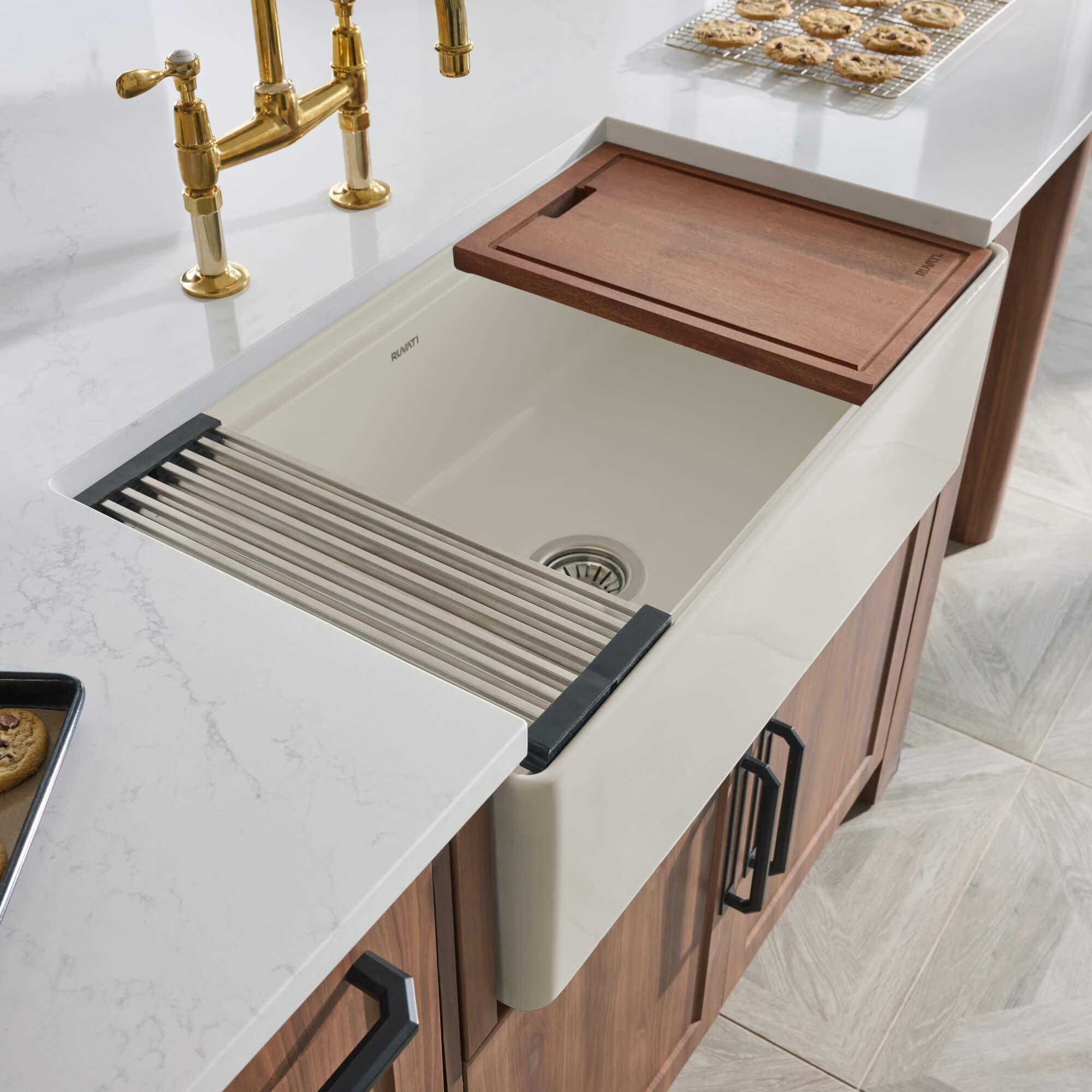
- Feature a smooth, glossy finish due to the porcelain enamel coating
- Exude a timeless elegance and classic charm
- Can suit both traditional and contemporary kitchen designs
Stainless Steel Sinks:
- Offer a sleek, modern appearance
- Available in various finishes, though options are more limited compared to cast iron
- Provide a neutral, versatile look that can complement many kitchen styles
Style Versatility
Cast Iron Sinks:
- Available in various styles, including drop-in, single, double, farmhouse, and undermount options
- Often chosen for their traditional aesthetic, but modern designs are also available
Stainless Steel Sinks:
- Highly versatile in terms of styles and sizes
- Can achieve both sleek modern looks and blend with traditional classic styles
Cast iron sinks offer more color variety and a classic, elegant appearance, while stainless steel sinks provide a modern, versatile aesthetic with limited color options but various styles and finishes. The choice between the two often comes down to personal preference and the desired kitchen design
Maintenance and Care: Stainless Steel vs. Cast Iron Sinks
Proper maintenance is crucial for preserving the beauty and functionality of your kitchen sink. Let’s explore the care routines for both stainless steel and cast-iron sinks to help you make an informed decision.
Stainless Steel Sinks: Easy Elegance
Daily Cleaning:
- Rinse the sink with warm water after each use
- Wipe down with a soft sponge or cloth and mild dish soap
- Dry thoroughly with a microfiber cloth to prevent water spots
Deep Cleaning:
- Use baking soda for a gentle scrub
- Apply a mixture of white vinegar and water for tougher buildup
- Polish with olive oil or a specialized stainless steel cleaner for extra shine
Stain Removal:
- For stubborn stains, create a paste with baking soda and water
- Gently scrub in the direction of the grain
- Rinse thoroughly and dry
Preventive Measures:
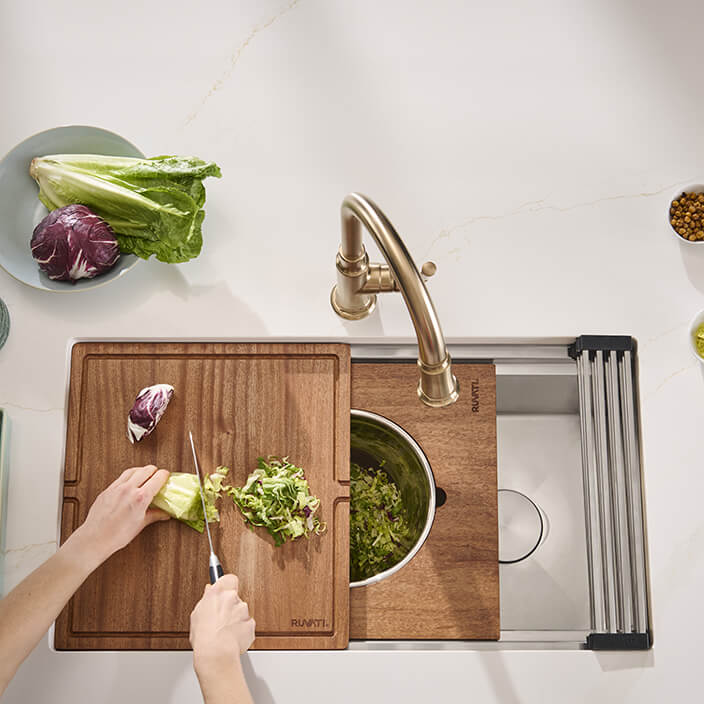
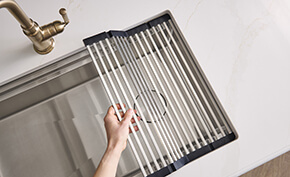
- Use a sink grid to prevent scratches from heavy pots and pans
- Avoid leaving acidic foods or harsh chemicals in the sink for extended periods
Cast Iron Sinks: Timeless Beauty
Daily Maintenance:
- Rinse the sink after each use
- Wipe down with a soft cloth and mild soap
- Dry completely to prevent water spots on the enamel surface
- With proper care, the sink can develop a naturally non stick surface over time.
Deep Cleaning:
- Use a non-abrasive cleaner specifically designed for enamel surfaces
- For tough stains, create a paste with baking soda and water, applying a thin layer to the affected area
- Gently scrub and rinse thoroughly
Stain Prevention:
- Avoid leaving coffee grounds, tea bags, or other staining substances in the sink
- Use a sink mat to protect the enamel from scratches and chips
Chip Repair:
- For minor chips, use an enamel repair kit
- For larger damages, consult a professional
Weight and Installation: Stainless Steel vs. Cast Iron Sinks
When it comes to kitchen sink installation, weight plays a crucial role in determining the complexity of the process and the structural support required. Let’s dive into the differences between stainless steel and cast iron sinks in terms of weight and installation challenges.
Cast iron sinks are known for their durability and ability to withstand high heat, making them an excellent choice for various kitchen applications.
Stainless Steel Sinks: The Lightweight Champion
Weight Range:
Typically weigh between 15 to 30 pounds, depending on size and gauge
A 32-inch single bowl 16-gauge stainless steel sink weighs about 20 pounds.
Installation Advantages:
Easy to handle and maneuver during installation
Can often be installed by a single person
Suitable for various countertop materials without additional support
Structural Considerations:
Minimal additional support required for most installations
Standard cabinetry usually sufficient to support the sink’s weight
Cast Iron Sinks: The Heavyweight Contender
Weight Range:
Can weigh anywhere from 100 to 300 pounds or more
A 47-inch double bowl cast iron sink can weigh up to 198 pounds.
Installation Challenges:
Requires multiple people for safe handling and installation
May need specialized equipment for lifting and positioning
Structural Requirements:
Demands robust support structures
The wood support and frame must support a minimum of 300 lbs (136 kg)
Often requires reinforced cabinetry or additional framing
Comparative Installation Process
Stainless Steel:
Typically easier and quicker to install
Often uses undermount clips or drop-in methods
Less likely to require modifications to existing cabinetry
Cast Iron:
More complex installation process
May require a wood frame support for undercounter installations
Often needs precise measurements and careful planning
Special Considerations
Countertop Compatibility:
Stainless Steel: Compatible with most countertop materials
Cast Iron: May require extra reinforcement, especially with lighter countertop materials
Cabinet Size:
Stainless Steel: Flexible with various cabinet sizes
Cast Iron: Often requires a minimum cabinet width of 36 inches for proper support
Mounting Methods
Stainless Steel: More versatile, suitable for undermount, drop-in, or flush mount installations. These sinks often use undermount clips or drop-in methods.
Cast Iron: typically limited to drop-in or undermount installations and may require a wood frame support for undercounter installations.
Installation Methods:
Stainless Steel: Versatile, suitable for undermount, drop-in, or flush mount installations
Cast Iron: Typically limited to drop-in or undermount installations, with specific support requirements
While stainless steel sinks offer ease of installation and flexibility, cast iron sinks provide unmatched durability at the cost of more complex installation requirements. Your choice should consider not only the aesthetic appeal but also the structural capabilities of your kitchen and your willingness to undertake a potentially more involved installation process.
Cost Considerations: Stainless Steel vs. Cast Iron Sinks
When it comes to kitchen sink materials, both stainless steel and cast iron offer unique benefits, but their cost profiles differ significantly. Let’s dive into the financial aspects of choosing between these two popular options:
Initial Investment
Stainless Steel:
- Generally more affordable, with prices ranging from $200 to $1,000 for quality sinks
- High-end models with special features can cost up to $2,000 or more
- Wide variety of price points to fit different budgets
Cast Iron:
- Higher upfront cost, typically ranging from $500 to $2,000 or more
- Premium models or larger sizes can exceed $3,000
- Limited options in the lower price range
Long-Term Value
Stainless Steel:
- Excellent durability-to-cost ratio
- Resistant to corrosion, heat, and stains, potentially lasting 15-30 years
- Lower maintenance costs over time
Cast Iron:
- Exceptional longevity, often lasting 25 years or more with proper care
- Potential for lifetime use, making it a long-term investment
- May require occasional refinishing or chip repairs
Installation Costs
Stainless Steel:
- Generally easier and quicker to install, potentially reducing labor costs
- Lightweight nature allows for DIY installation, saving on professional fees
Cast Iron:
- Heavier weight often necessitates professional installation
- May require additional structural support, increasing overall installation costs
Maintenance Expenses
Stainless Steel:
- Low maintenance costs, typically requiring only regular cleaning
- Occasional polishing may be needed to maintain shine
Cast Iron:
- May need specialized cleaning products to protect the enamel coating
- Potential for chip repair or refinishing costs over time
Resale Value
Stainless Steel:
- Consistently popular, maintaining good resale value
- Modern appearance appeals to a wide range of buyers
Cast Iron:
- Classic appeal can enhance kitchen aesthetics and potentially home value
- Timeless design may be particularly attractive in certain home styles
Energy Efficiency
Stainless Steel:
- Lighter color reflects more light, potentially reducing lighting costs
- Thinner material may not retain heat as well, possibly affecting hot water usage
Cast Iron:
- Dark colors may absorb more light, potentially increasing lighting needs
- Excellent heat retention can help maintain water temperature, possibly reducing energy costs
Stainless steel sinks offer a more budget-friendly option with good long-term value. Cast iron sinks represent a premium investment with exceptional durability. Your choice should balance initial budget constraints with long-term value and aesthetic preferences. Consider factors like installation, maintenance, and potential resale value to make the most cost-effective decision for your kitchen.
Eco-Friendliness and Sustainability of Cast Iron and Stainless Steel Sinks
In today’s environmentally conscious world, the eco-friendliness and sustainability of kitchen materials are more important than ever. Both cast iron and stainless steel sinks have their own green credentials.
Cast Iron Sinks: Cast iron sinks are made from natural materials and can be recycled at the end of their life cycle. This makes them a sustainable choice for eco-conscious homeowners. Additionally, cast iron sinks can be repaired and refurbished, reducing the need for new raw materials and extending their lifespan. However, they do require more maintenance, such as periodic re-enameling to prevent rust, which can involve the use of harsh chemicals and energy-intensive processes.
Stainless Steel Sinks: Stainless steel sinks, on the other hand, are made from a combination of steel, chromium, and nickel, all of which are recyclable materials. These sinks are resistant to corrosion and can withstand harsh cleaning agents, reducing the need for frequent replacements. Stainless steel sinks are easier to clean and maintain, requiring only mild soap and water, which minimizes the use of harsh chemicals and contributes to their sustainability.
In summary, while both cast iron and stainless steel sinks have eco-friendly aspects, stainless steel sinks tend to be easier to maintain and have a lower environmental impact over their lifespan.
ROI and Resale Value of Cast Iron and Stainless Steel Sinks
When investing in a kitchen sink, it’s essential to consider not only the initial cost but also the return on investment (ROI) and resale value.
Cast Iron Sinks: Cast iron sinks are often associated with high-end kitchens and can significantly increase the resale value of a home. Their classic appeal and exceptional durability make them a worthwhile investment. With proper maintenance, cast iron sinks can last for decades, offering long-term value that can justify their higher upfront cost. Homebuyers often appreciate the timeless elegance and robustness of cast iron sinks, which can enhance the overall appeal of your kitchen.
Stainless Steel Sinks: Stainless steel sinks, while generally less expensive than cast iron sinks, are still a popular choice for many homeowners. They offer a modern, sleek appearance and are easy to maintain, which can be attractive to potential buyers. Although they may not hold their value as well as cast iron sinks, their affordability and practicality make them a smart choice for those looking to balance cost and functionality. Stainless steel sinks can still contribute positively to the resale value of a home, especially in contemporary kitchen designs.
In conclusion, cast iron sinks tend to offer a higher ROI and better resale value due to their durability and classic appeal. However, stainless steel sinks provide a cost-effective and low-maintenance option that remains popular among homeowners. Your choice should align with your long-term goals and the overall style of your kitchen.
FAQs: Cast Iron vs. Stainless Steel Sinks
What is the downside of a cast iron sink?
The main downsides of a cast iron sink include its heavy weight, potential for enamel chipping, and higher upfront cost compared to stainless steel options.
How long will a cast iron sink last?
With proper care and maintenance, a cast iron sink can last a lifetime, making it a durable choice for long-term kitchen designs.
Should I get cast iron or stainless steel?
The choice depends on your priorities. Choose cast iron for durability and classic aesthetics, or stainless steel for modern looks and easier installation.
What are the weaknesses of cast iron?
Cast iron sinks can be prone to enamel chipping, are very heavy, and may require more careful maintenance to prevent damage.
Is cast iron better than steel?
Both materials have their strengths. Cast iron offers superior durability and heat retention, while stainless steel is more lightweight and resistant to rust.
What are the benefits of using a cast iron skillet and how do I maintain it?
A cast iron skillet is known for its durability, heat resistance, and long-lasting non-stick surface when properly maintained. However, it requires specific care, such as regular seasoning and avoiding cooking acidic foods that can react with the iron.
What are the advantages of a Dutch oven and its durability?
A Dutch oven is highly durable and offers excellent heat resistance, making it ideal for slow-cooking and baking. Its longevity and ability to maintain consistent temperatures make it a valuable addition to any kitchen.
What are the differences between enameled cast iron and traditional cast iron?
Enameled cast iron does not require seasoning like traditional cast iron, making it easier to use and clean. However, it may not handle high heat as well as bare cast iron and can be more susceptible to chipping.
Elevate Your Kitchen with Ruvati’s Premium Stainless Steel Sinks
After exploring the nuances of stainless steel and cast iron sinks, it’s clear that both materials offer unique benefits for discerning homeowners. However, for those seeking the perfect blend of style, durability, and value, Ruvati’s collection of stainless steel sinks stands out as the superior choice.
Why Choose Ruvati Stainless Steel Sinks?
- Unmatched Durability: Ruvati’s premium-grade stainless steel resists corrosion, stains, and dents, ensuring your sink maintains its beauty for years to come.
- Effortless Maintenance: Say goodbye to time-consuming cleaning routines. Ruvati sinks are designed for easy care, allowing you to spend more time enjoying your kitchen.
- Versatile Design: From sleek undermount models to statement farmhouse sinks, Ruvati offers a wide range of styles to complement any kitchen aesthetic.
- Cost-Effective Luxury: Experience high-end quality without the premium price tag of cast iron sinks.
- Easy Installation: Lightweight yet sturdy, Ruvati sinks can be installed without the need for additional structural support, saving you time and money.
Make the Smart Choice for Your Kitchen
While cast iron sinks have their place in certain kitchen designs, Ruvati’s stainless steel sinks offer the perfect combination of modern elegance, practicality, and long-lasting performance. Whether you’re renovating your kitchen or building your dream home, a Ruvati stainless steel sink is an investment in quality that you’ll appreciate every day.
Ready to transform your kitchen with a Ruvati stainless steel sink? Explore our collection today and discover why homeowners and designers alike choose Ruvati for unparalleled quality and style. Your perfect kitchen sink awaits!